
Kagent turns your AI agent into a Kubernetes custom resource, defined declaratively like anything else in your cluster.
Watch the full 🌩️Thunder episode: youtu.be/z2Xpd-Wwm…
#Kagent #Kubernetes #AIAgents #CNCF #CloudNative
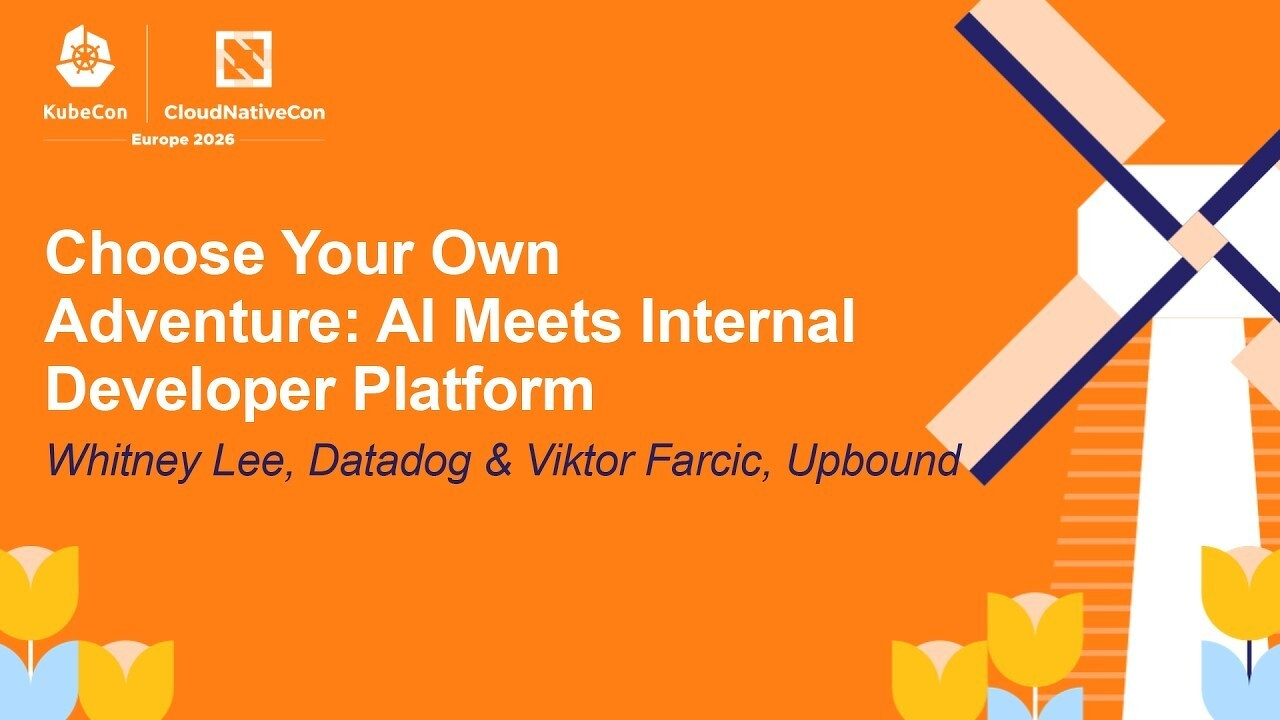
InfoQ covered my KubeCon EU talk with Viktor Farcic (Upbound), “Choose Your Own Adventure: AI Meets Internal Developer Platform.” The article walks through how AI agents are becoming a new layer of the internal developer platform, and how OpenTelemetry traces let you see what an agent did instead of guessing.
Read the full article here: www.infoq.com/news/2026…
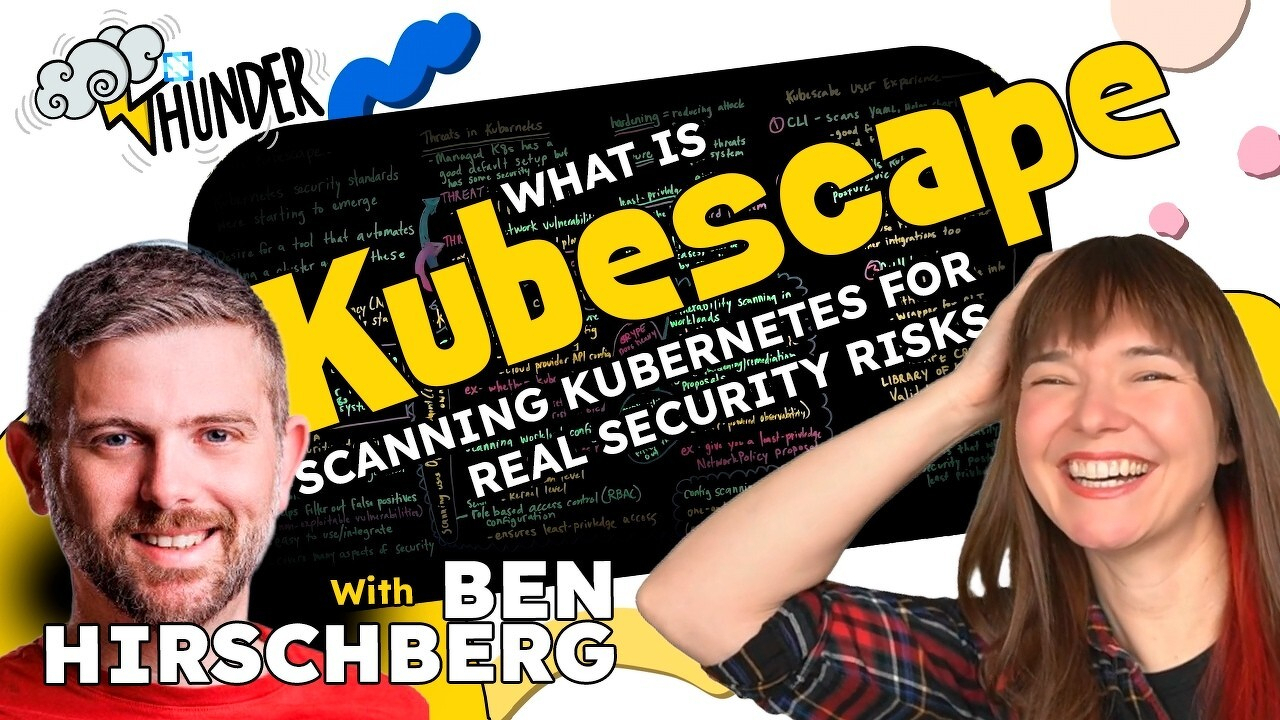
Kubernetes clusters can carry hidden security issues in infrastructure config, workload settings, RBAC permissions, and containers.
Kubescape maintainer Ben Hirschberg joined me on 🌩️Thunder to explain how Kubescape scans a cluster across five dimensions and surfaces what’s wrong and how to fix it.
It checks infrastructure, workload, and RBAC configuration against OPA-based policies (things like unencrypted secrets or containers running as root), catches vulnerabilities with Grype, and watches runtime behavior with eBPF, then provides recommendations about what to fix first for maximum impact.
Watch here: youtu.be/z008cHQDA…
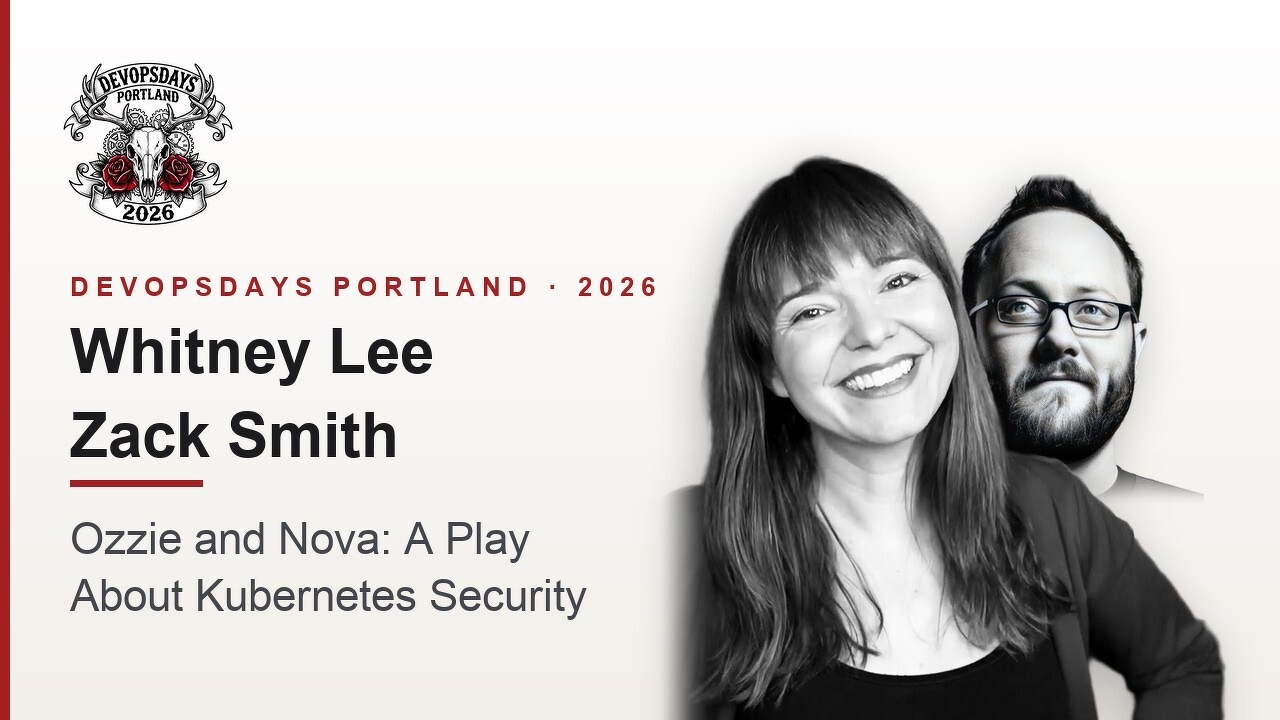
[Keynote] DevOpsDays Portland: Ozzie and Nova: A Play About Kubernetes Security
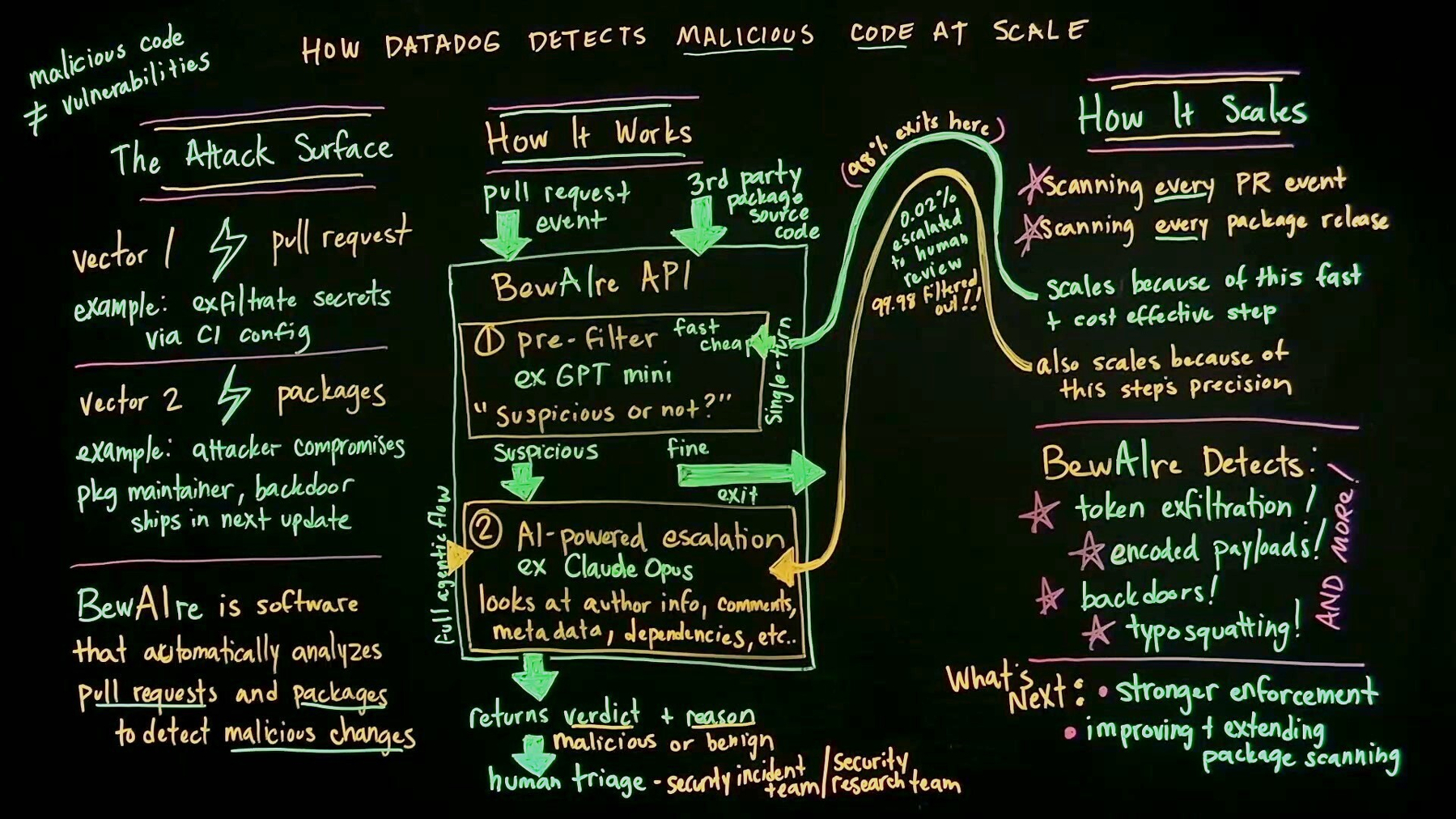
malicious code ≠ vulnerabilities
Read the full board notes here: gist.github.com/wiggitywh…
AI Engineer World’s Fair: Build a Platform, Unleash an Agent on it…. and Watch it Burn!
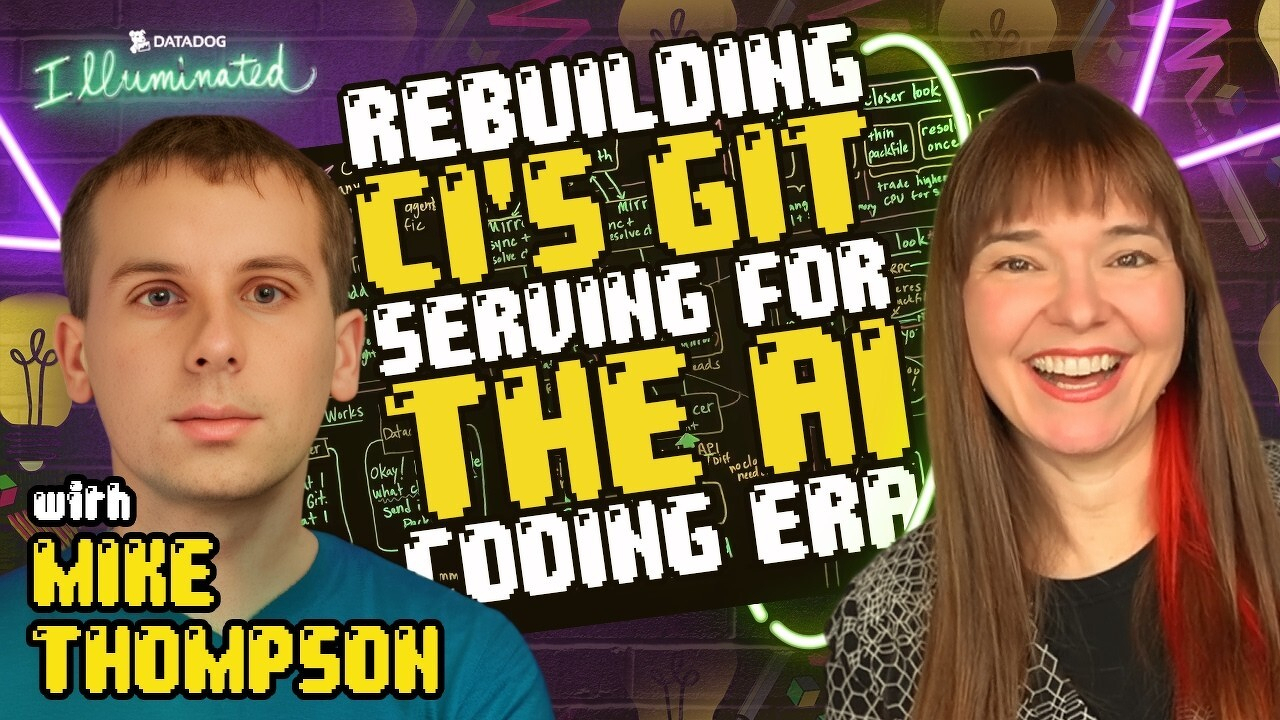
Datadog Illuminated: Rebuilding CI’s Git Serving for the AI Coding Era, with Mike Thompson
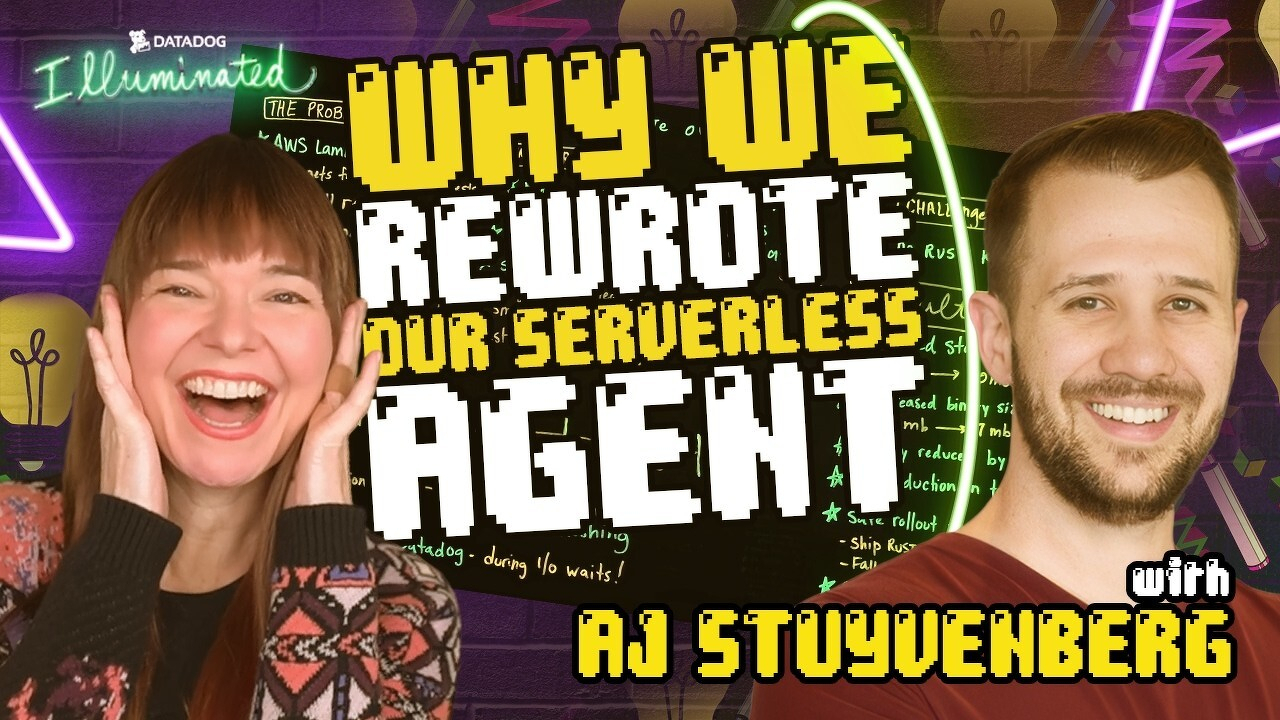
Serverless can save you money, but the tradeoff is that it is weird. Your CPU gets frozen between requests. Your code runs in a tiny, isolated sandbox with extremely limited resources. And every millisecond of initialization time costs money.
In this episode of Datadog Illuminated, AJ Stuyvenberg, Staff Engineer on Datadog’s Serverless team, explains how his team rewrote Datadog’s serverless agent from scratch, in a language none of them had ever used in production.
The rewrite cut the binary from 55 megabytes to 7 and dropped cold start time from around 400 milliseconds to 50-60.
Give it a watch! www.youtube.com/watch
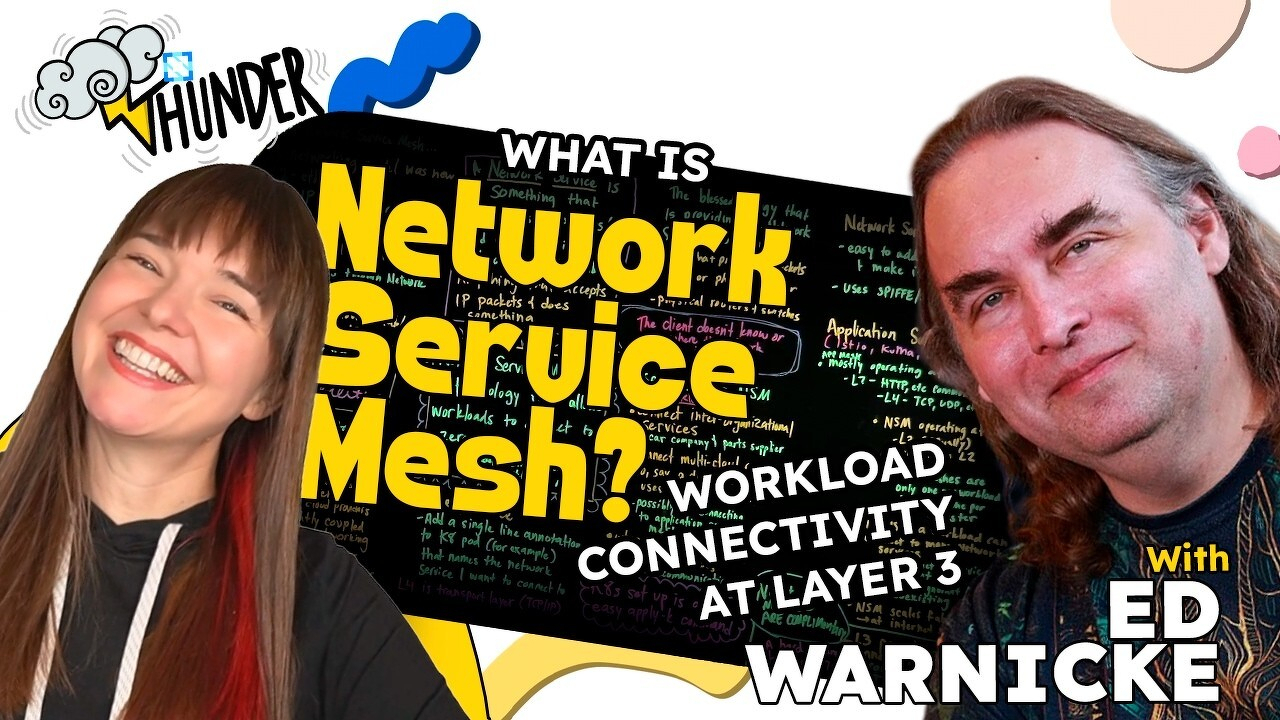
“The entire world is not HTTP.”
In this episode of 🌩️Thunder, Ed Warnicke, Distinguished Engineer at Cisco and Network Service Mesh co-founder, explains how NSM connects individual workloads at Layer 3, regardless of whether they’re in different clusters, different clouds, or running on-prem.
Application service meshes connect entire systems to each other. Network Service Mesh connects only the workloads that need to talk, and those workloads don’t know or care where each other is running.
Watch here: youtu.be/u9hOPyRVw…
DevOpsDays Portland: Ozzie and Nova: A Play About Kubernetes Security
Datadog Illuminated: Rebuilding CI’s Git Serving for the AI Coding Era, with Mike Thompson
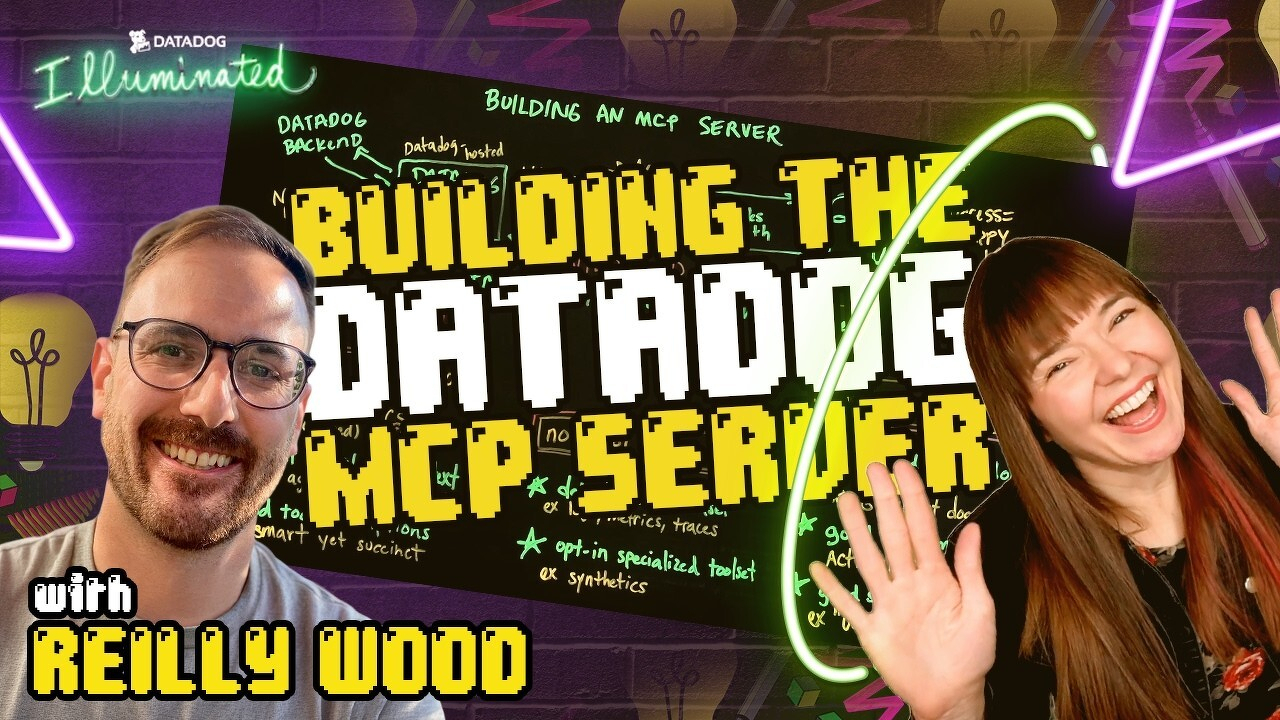
When you build an MCP server, you don’t control the agent calling it or the model powering it. The same server might be called by Claude Code, Cursor, or something completely custom, and it could be powered by anything from a small local LLM to a large foundation model.
In this episode of Datadog Illuminated, Reilly Wood, Staff Engineer at Datadog, explains how the team built the Datadog MCP server to work reliably across that entire wildcard space.
Every design decision flows from one constraint. You never know which agent/LLM combo will be calling the MCP server, so it has to work for all of them. That shapes everything from data formats (YAML carries the same data as JSON in far fewer tokens), to how many tools you expose, to what your error messages say.
👀 ⬇️ youtu.be/5PzqNwOTM…
DevOpsDays Portland: Ozzie and Nova: A Play About Kubernetes Security
DevOpsDays Portland: Build a Platform, Unleash an Agent on It… and Watch It Burn
Datadog On Air: Datadog On Air Live From San Francisco Summit 2026
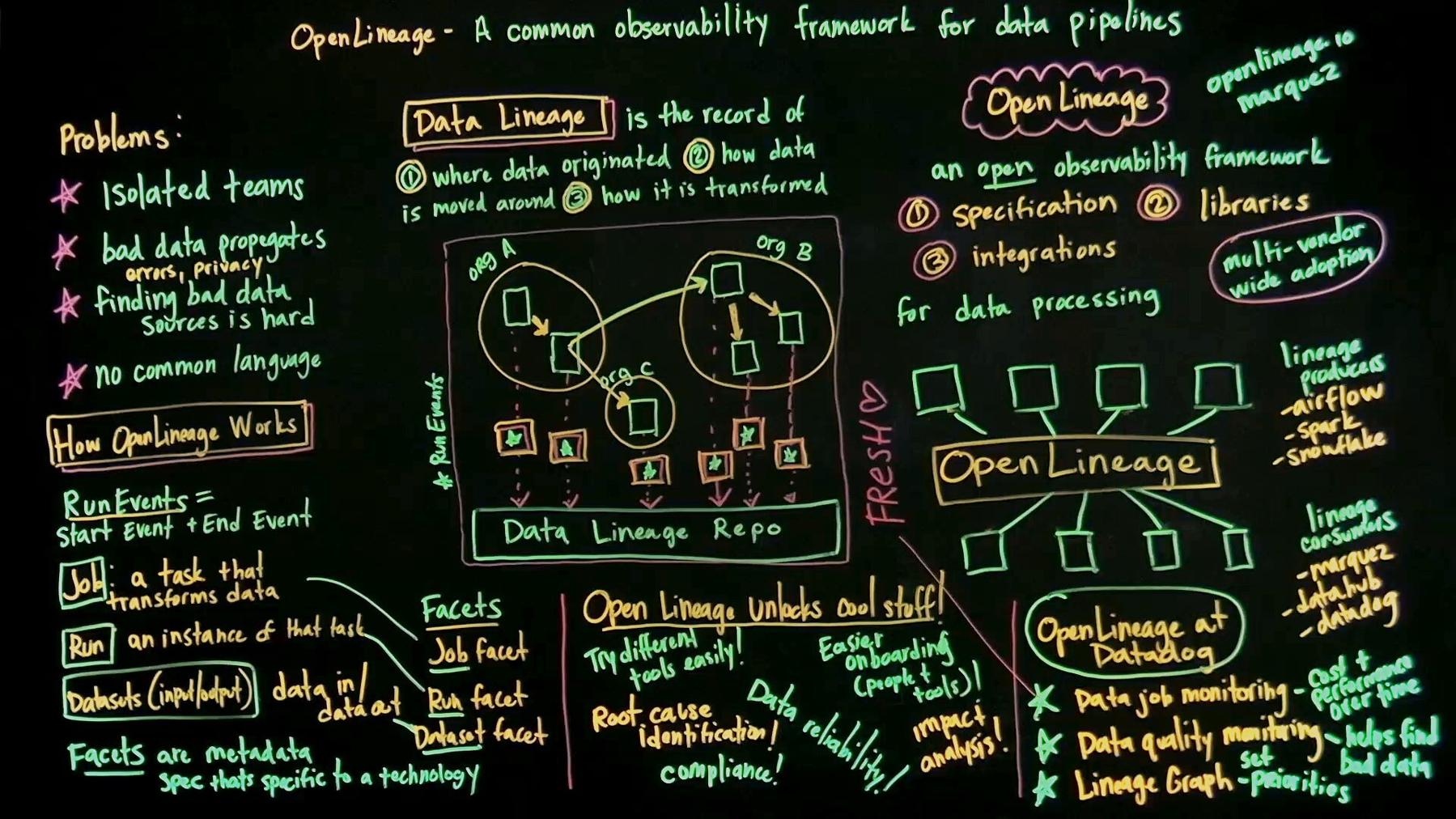
This is the lightboard from my Datadog Illuminated episode with Julien Le Dem on OpenLineage.
Before OpenLineage, if your data broke somewhere in the pipeline, you had no way to trace it back to where it went wrong. OpenLineage fixes that by giving every tool a shared language for where data came from, so you can find the exact source of the problem instead of guessing.
Read the full board notes here: gist.github.com/wiggitywh…
“Managing Kubernetes RBAC manually is a path to burnout.”
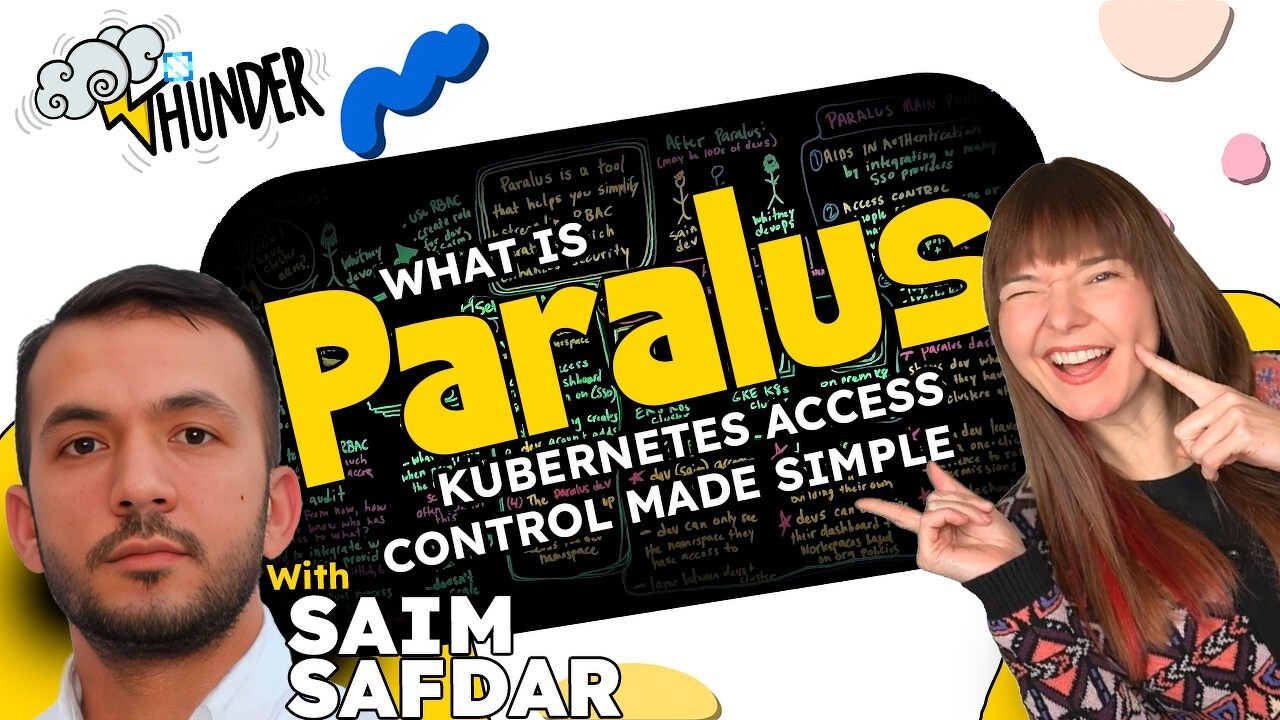
In this episode of 🌩️Thunder, Saim Safdar, CNCF Ambassador and host of the Cloud Native Podcast, explains how Paralus centralizes Kubernetes access management across your clusters.
Paralus replaces per-cluster role juggling with a single layer for SSO, group-based access control, and full kubectl audit logs, whether you have one cluster or dozens across cloud providers and on-prem.
Give it a watch! youtu.be/9meKq_7Ww…
Software Defined Interviews: The KubeCon Drone Demo, CFP Reviewing at Scale, and the Agentic AI Foundation, with Lin Sun
InfoQ: AI Meets Internal Developer Platform (InfoQ coverage of KubeCon EU talk with Viktor Farcic)