Datadog Illuminated: OpenLineage — A Common Observability Framework for Data Pipelines, with Julien Le Dem

Datadog Illuminated: OpenLineage — A Common Observability Framework for Data Pipelines, with Julien Le Dem
I love my brother so very much ♥
Morning walk in Williamsburg

Datadog DASH is a wrap! ♫


🌩️ Thunder: Build and Run AI Agents on Kubernetes with Kagent

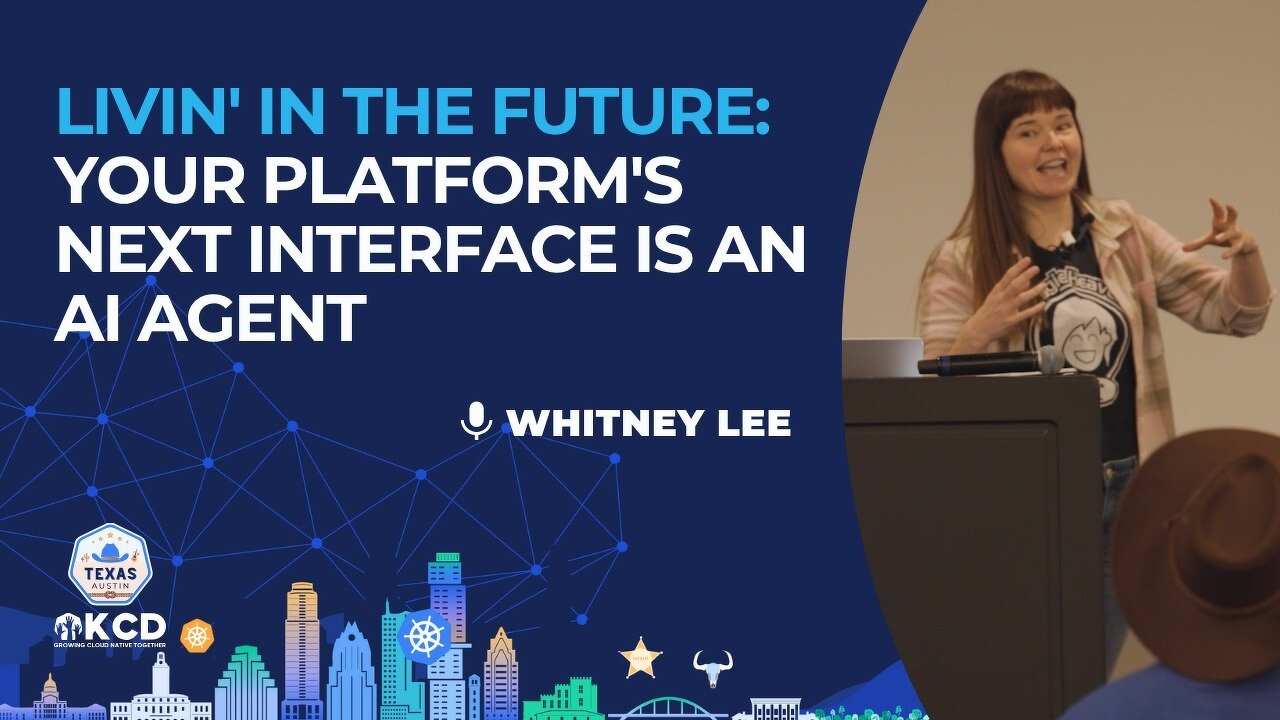
KCD Texas: Livin' In the Future: Your Platform’s Next Interface Is an AI Agent
Datadog DASH 2026: Engineering with AI in the Stack (Women in Tech Panel)

LLMday Austin: The Best Laid Spans: An AI Agent That Instruments Your Code with OpenTelemetry
Datadog DASH 2026 Workshop: Monitoring Your Kubernetes Cluster with Datadog
SREday Austin: Livin' In the Future: Your Platform’s Next Interface Is an AI Agent
Software Defined Interviews: Deming, DevOps History, AI Risk, and Critical Thinking, with John Willis

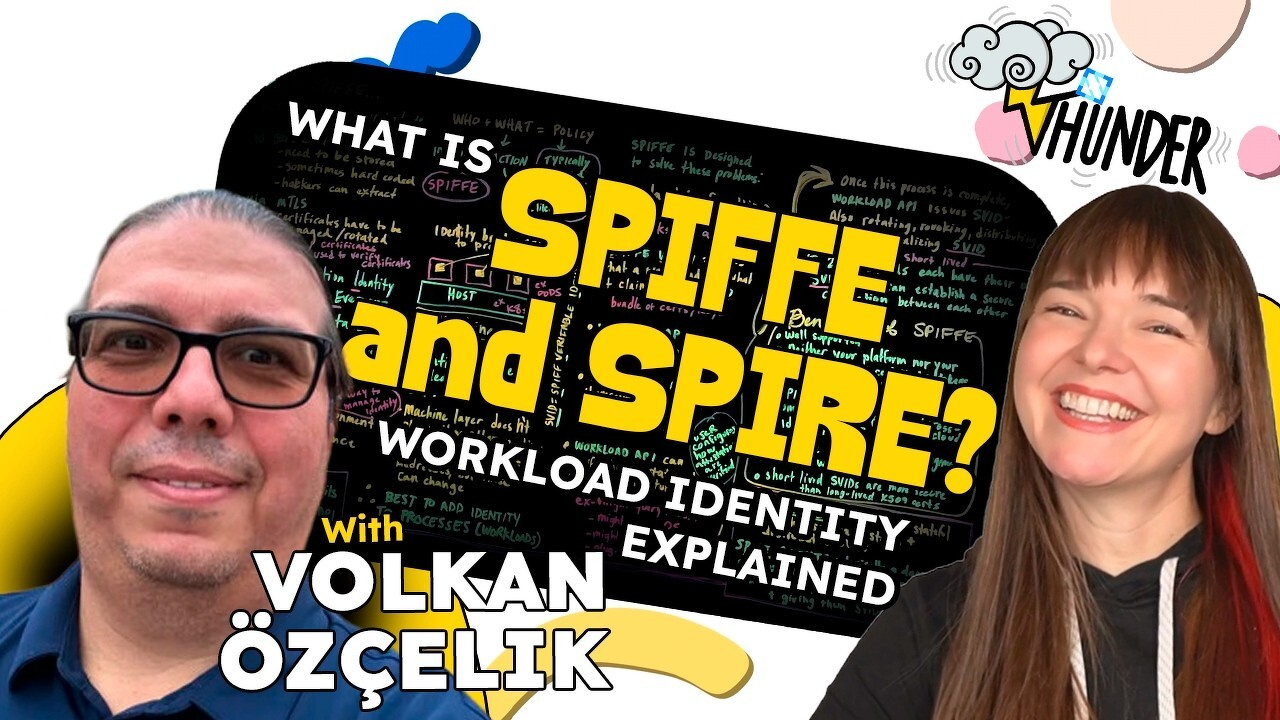
🌩️ Thunder: What Are SPIFFE and SPIRE? Workload Identity Explained
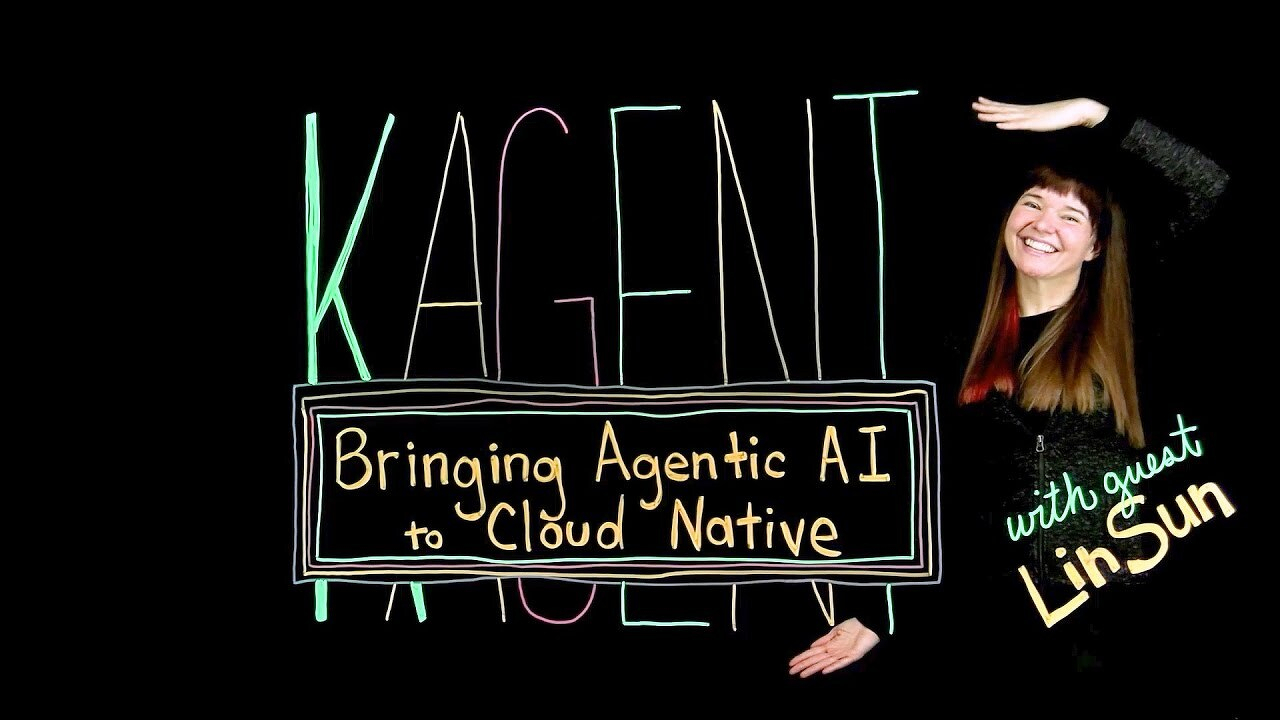
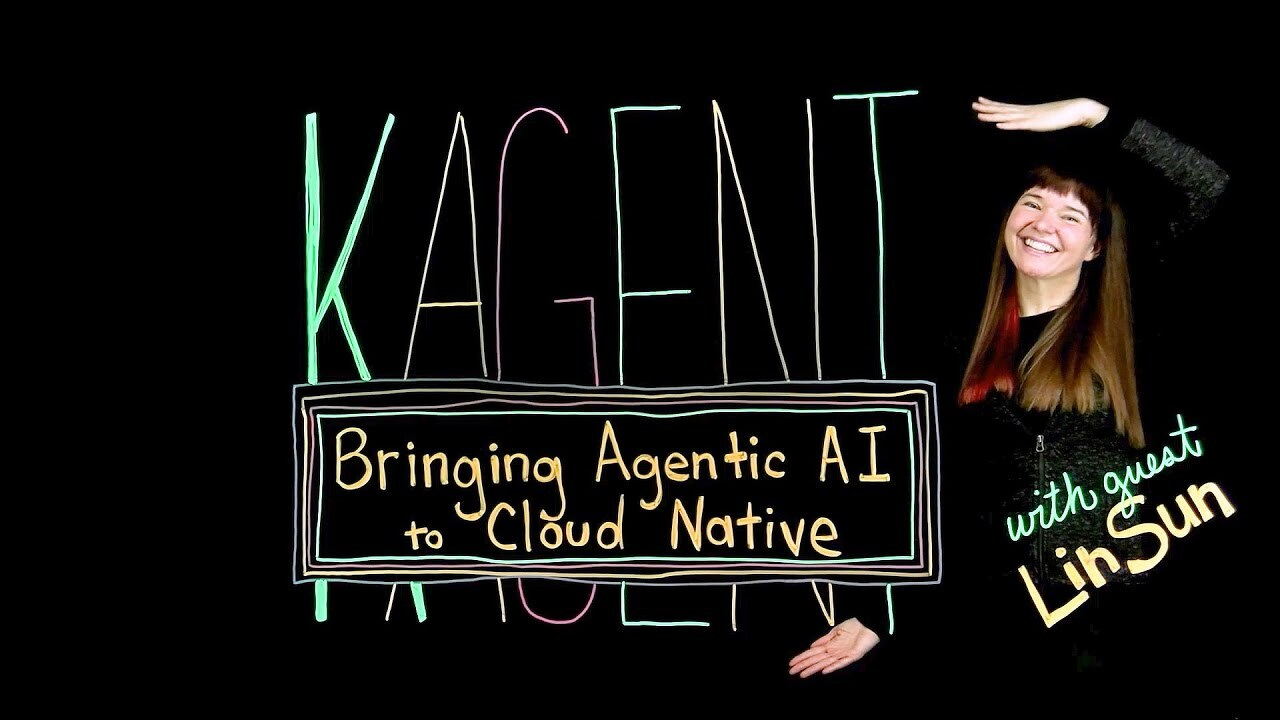
⚡️Enlightning: Kagent: Bringing Agentic AI to Cloud Native (with Lin Sun)
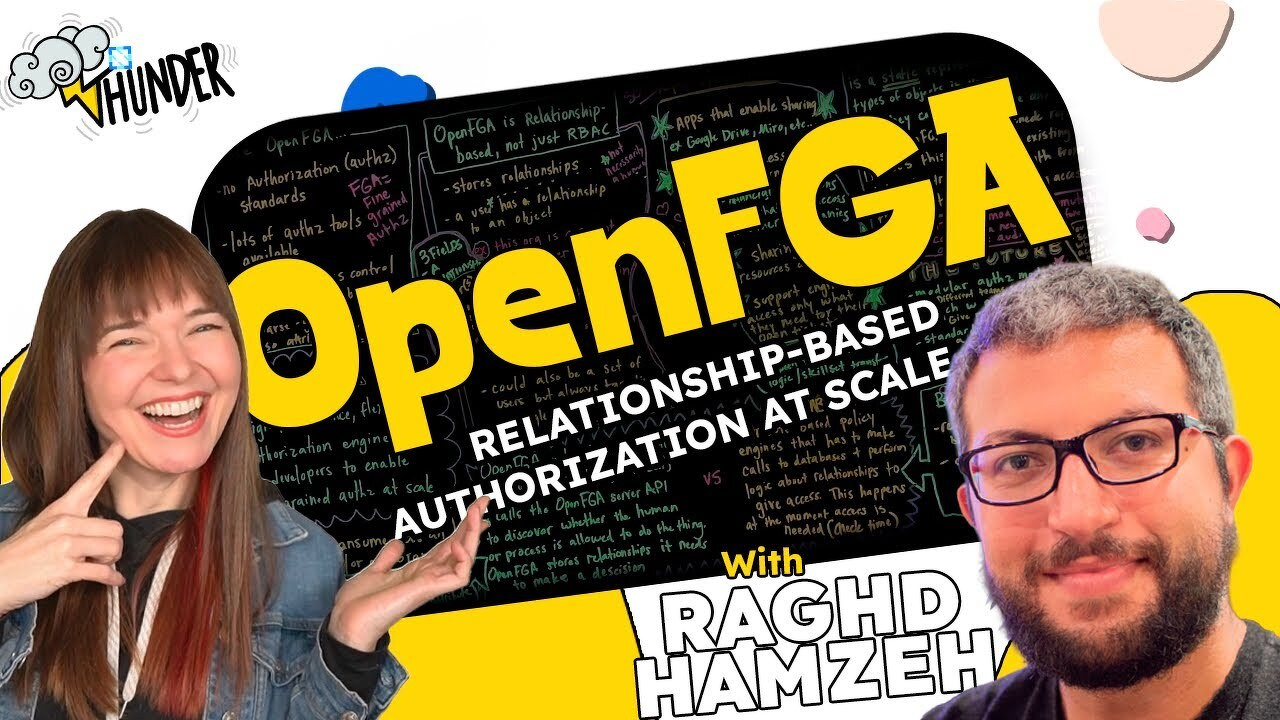
With RBAC (role-based access control), you’re either an admin who can edit everything or a viewer who can edit nothing. There’s no “Whitney can edit this document but not that one” without custom application logic.
In this episode of 🌩️ Thunder, Raghd Hamzeh, OpenFGA maintainer at Auth0, explains relationship-based authorization. When Whitney shares a document with Raghd, you tell OpenFGA “Raghd is now an editor of this document.” Later, when Raghd tries to access it, OpenFGA already knows — no database calls, no runtime logic.
We cover how OpenFGA differs from RBAC and attribute-based systems, why sharing becomes trivially easy, how immutable authorization models let you test changes against production data safely, and what auditability looks like when permissions live outside your application code.
Watch now → youtu.be/HCniFFtEm…
🌩️ Thunder: What Are SPIFFE and SPIRE? Workload Identity Explained

⚡️Enlightning: ⚡️Enlightning — Kagent: Bringing Agentic AI to Cloud Native (with Lin Sun)
[Keynote] Cloud Native Days Romania: Ozzie & Nova: A Kubernetes Security Play
KCD Texas: Livin' In the Future: Your Platform’s Next Interface Is an AI Agent
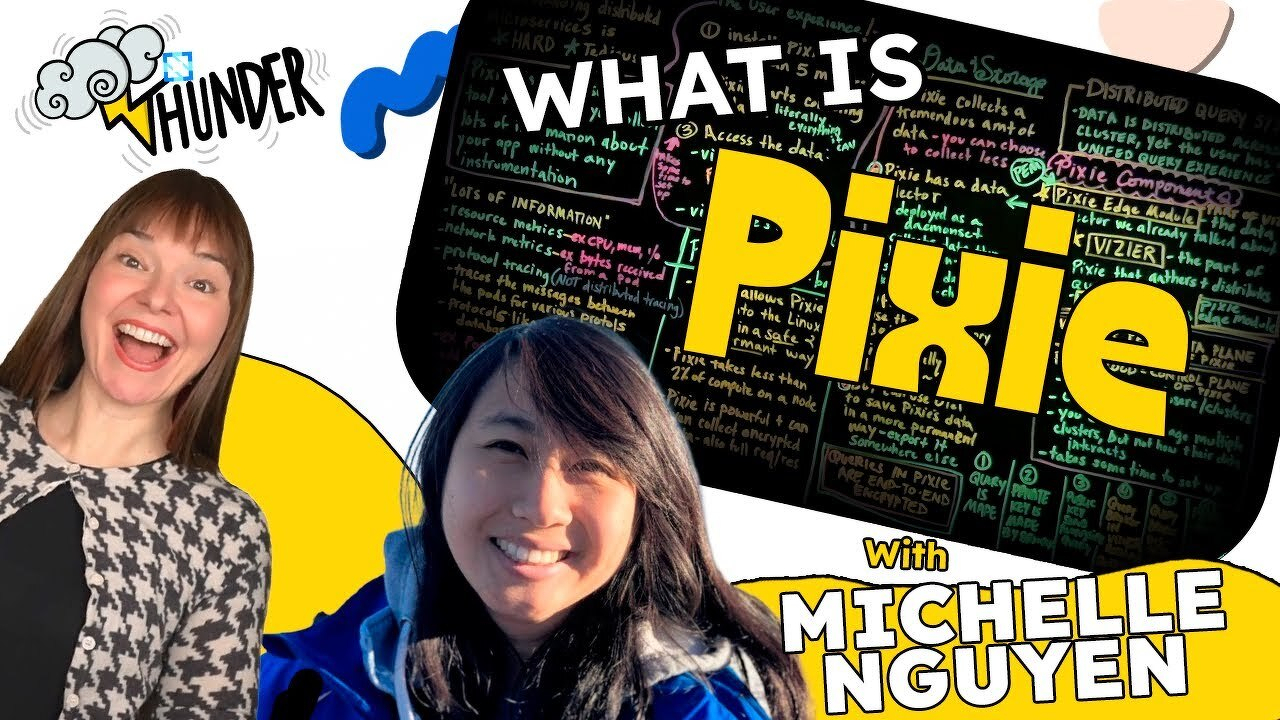
Using Pixie, developers can view the high-level state of their cluster (service maps, cluster resources, application traffic) and also drill down into more detailed views (pod state, flame graphs) without having to modify or redeploy their code.
In this episode of 🌩️ Thunder, Michelle Nguyen, Pixie maintainer, explains how Pixie provides instant Kubernetes observability, and the internals of how it works.
We cover how Pixie uses eBPF to collect telemetry without code instrumentation, what it captures (protocol tracing, resource metrics, application CPU profiles), how data stays in-cluster for privacy, and when to use Pixie alongside OpenTelemetry and Prometheus.
Watch now → youtu.be/hZ-a72ggR…
#Pixie #Kubernetes #eBPF #CNCF #Observability
🌩️ Thunder: What Is Keycloak? Open Source Identity and Access Management
